
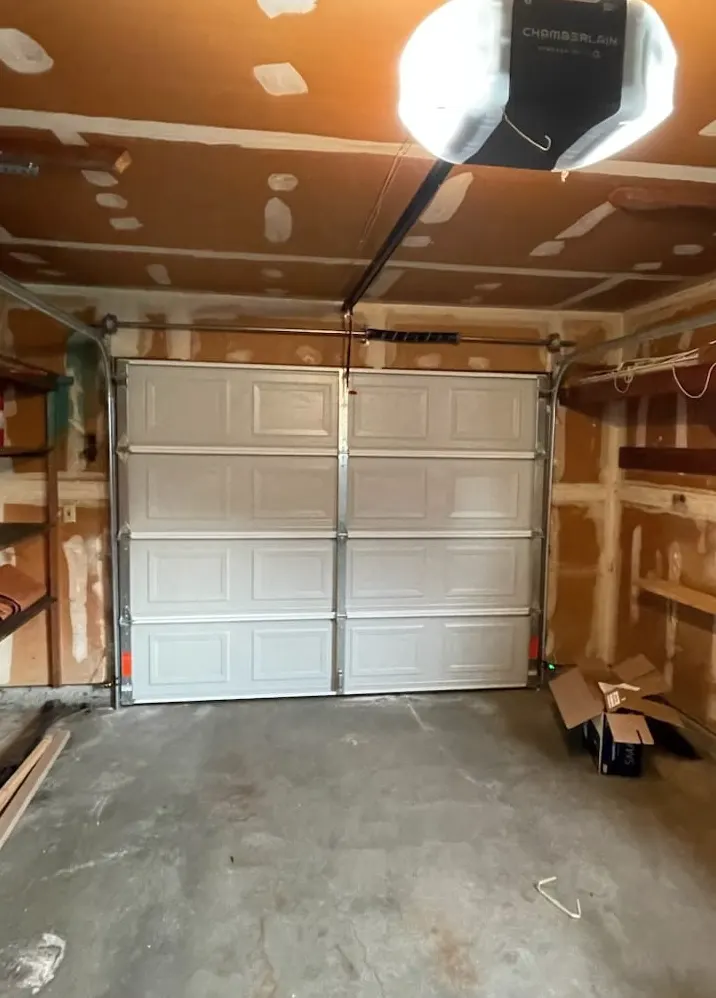
When the power goes out, you can still open and close your garage door by hand using the manual release cord — a red handle hanging from a track near the opener. Pull it to disconnect the door from the opener, then lift or lower the door by hand. Once power returns, you reconnect the carriage to the trolley and test the door before trusting it again. That's the short version. Here's how to do it safely, step by step.
What You'll Need
- A flashlight or headlamp (outages in Raymore often hit during evening storms when you can't see the garage well)
- Work gloves, since springs and tracks can pinch fingers
- A step stool if your release cord is mounted high
- Someone to help steady the door if it's a heavier wood or insulated steel model
Step-by-Step: Opening the Door Manually During an Outage
- Locate the manual release cord. It hangs from the trolley on the opener's rail, usually with a red handle, roughly in the middle of the garage ceiling.
- Pull the cord straight down and toward the door. You'll feel or hear a click as the trolley disengages from the opener's drive mechanism. The door is now free from the motor.
- Grip the door by its bottom handle or edge, not the panels. Lift slowly and steadily. A properly balanced door should rise with moderate effort and stay open partway on its own.
- Watch how the door moves as you lift. If it feels unusually heavy, jerks, or won't stay up when you let go, stop. That's a sign of a broken or weakened spring, and lifting further risks the door slamming down or the cables snapping.
- Prop the door open if needed using a sturdy object like a 2x4 laid flat under the bottom panel, especially if you'll be in and out for a while during the outage.
Step-by-Step: Closing the Door Manually
- Stand to the side, not directly under the door, as you lower it.
- Guide the door down slowly, keeping a hand on it the whole way. It should lower with control, not drop.
- Make sure it seats fully against the floor or weatherstripping. A door that stops short or leaves a gap won't seal out cold air or moisture, which matters during Raymore's icy, salt-heavy winters when every inch of gap lets in drafts and road grime.
- Leave the trolley disengaged if you expect the outage to continue, so you're not accidentally trying to use a dead opener.
Re-Engaging the Opener Once Power Returns
Once your power is restored, don't assume the opener will just pick back up where it left off. The trolley needs to be reconnected to the drive carriage first.
- Close the door fully by hand if it isn't already closed, so the trolley and carriage line up correctly when reconnected.
- Pull the release cord again, or push the trolley back toward the rail, depending on your opener model, until you hear the click of it locking back into the carriage.
- Test the opener with the wall button or remote. The door should open and close smoothly, under its own power, without you touching it.
- Watch the travel limits. If the door reverses early, stops short, or doesn't fully close after reconnecting, the limit settings may have shifted and need adjusting.
- Check the safety sensors near the floor on each side of the track. If the opener hums but the door won't move, those photo-eye sensors may have been bumped out of alignment during the manual operation.
What's Safe for a Homeowner vs. What Needs a Technician
Operating the release cord, lifting a correctly balanced door, and reconnecting the trolley afterward are all tasks most homeowners can handle safely. Where you should stop and call for help:
- The door feels extremely heavy, won't stay open, or drops suddenly — that points to spring failure, and springs are under enough tension to cause serious injury if you try to adjust or replace them yourself.
- Cables look frayed, loose, or off their pulleys.
- The door is off-track or binding on one side after manual operation.
- The opener runs but the door doesn't respond, even after reconnecting the trolley and checking sensors.
- You hear grinding, popping, or see visible track damage from forcing the door during the outage.
These are mechanical and tension-related problems, not settings you can tweak with a screwdriver, and they're exactly where a trained technician earns their keep.
When to Call Raymore Garage Door Solutions
If your door won't balance right after a manual operation, if a spring looks stretched or broken, or if the opener won't re-engage no matter what you try, that's our territory. We handle spring replacement, garage door opener service, and general repair calls across Raymore and the surrounding area, and we can diagnose whether the issue is a simple sensor misalignment or something more serious like a cable or track problem. Given how often Raymore sees storm-related outages, it's also worth having your door's balance and hardware checked before the next one hits, not during it.
If your garage door gave you trouble during a recent outage, or it's just not moving the way it used to, call Raymore Garage Door Solutions. We serve homeowners throughout Raymore, MO and keep your door working the way it should, outage or not.