
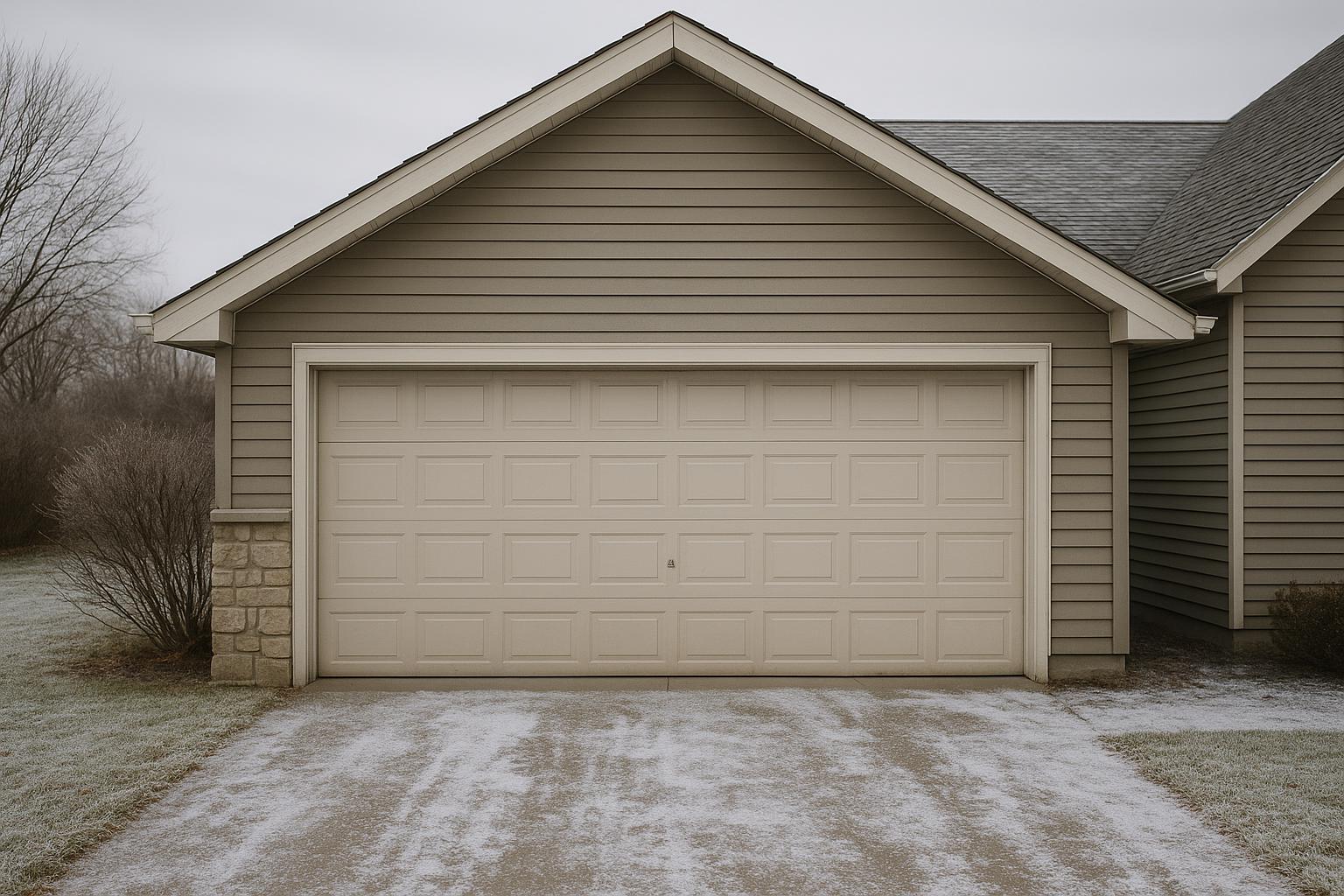
Winter Weather and Your Garage Door: A Common Raymore Problem
If you've lived in Raymore for even a single winter, you know how quickly temperatures can drop. One morning everything works fine, and the next you're pressing the button on your garage door opener and nothing happens — or worse, the door lifts a few inches and then stops dead.
Cold weather is one of the most common causes of garage door problems, and it catches homeowners off guard every year. The good news is that most winter-related garage door issues are preventable, and understanding what's happening can save you time, money, and a very frustrating morning.
Why Cold Weather Affects Your Garage Door
Your garage door is a complex mechanical system made up of metal springs, tracks, rollers, weatherstripping, and an electric opener. Every one of those components reacts to cold temperatures in some way:
- Metal contracts: Springs, tracks, and hardware shrink slightly in the cold, which can increase friction and change the tension your system relies on to operate smoothly.
- Lubricant thickens: The grease and oil that keep your moving parts gliding can become thick and sluggish when temperatures drop below freezing.
- Weatherstripping sticks: The rubber seal along the bottom of your door can freeze to the concrete floor of your garage, especially after rain, snow, or ice.
- Opener strain increases: When everything is stiffer and harder to move, your garage door opener has to work harder — sometimes harder than it's designed to.
The Most Common Winter Garage Door Problems
1. The Door Is Frozen to the Ground
This is probably the most common cold-weather garage door complaint we hear from homeowners in Raymore and the surrounding areas like Belton and Lee's Summit. When moisture collects between the bottom weatherstrip and the garage floor, it can freeze overnight and essentially glue the door shut.
If this happens, don't keep pressing the opener button. Forcing the door open can tear the weatherstripping, damage the bottom panel, or burn out your opener motor. Instead, try these steps:
- Use a heat gun or hair dryer to gently warm the seal along the bottom of the door.
- Carefully tap along the bottom edge with a flat-edged tool to break the ice seal — avoid using sharp objects that could damage the weatherstrip.
- Once the door is free, clear away any standing water or ice from the threshold area.
2. Springs Are Sluggish or Broken
Garage door springs are under tremendous tension, and cold weather makes them more brittle. A spring that was already nearing the end of its lifespan may snap on a particularly cold morning. If your door feels unusually heavy, only opens partway, or you hear a loud bang from the garage, a broken spring is the likely culprit.
Spring replacement is not a DIY job. The tension involved makes it genuinely dangerous, and it requires specialized tools and experience. If you suspect a spring issue, call a professional right away.
3. The Opener Runs but the Door Doesn't Move
Sometimes you'll hear the motor engage, but the door stays put. In cold weather, this often means the opener is struggling against increased resistance from stiff components. It could also indicate that the door has been manually disconnected from the opener — check the emergency release cord to make sure it's still engaged.
If the opener motor is running but the door isn't responding, the drive gear inside the unit may have stripped. This is a common failure point in older openers that are forced to work against a stuck or frozen door.
4. Tracks Are Misaligned or Contracted
Metal tracks can contract just enough in freezing temperatures to cause the rollers to bind. You might notice the door moving unevenly, getting stuck at a certain point, or making scraping sounds. Inspect the tracks visually for gaps, bends, or obstructions. Sometimes a small piece of ice or debris is all it takes to throw things off.
How to Prevent Winter Garage Door Problems
A little preparation in the fall can save you from being stuck in your driveway on the coldest morning of the year. Here's what we recommend to our customers in Raymore and Pleasant Hill:
Lubricate All Moving Parts
Apply a silicone-based lubricant to the springs, hinges, rollers, and tracks before the cold sets in. Silicone-based products resist thickening in low temperatures much better than standard grease. Avoid using WD-40 as a long-term lubricant — it's a solvent, not a true lubricant, and it won't hold up through the winter.
Inspect and Replace Weatherstripping
Check the rubber seal along the bottom of your door. If it's cracked, brittle, or torn, replace it before winter arrives. A fresh weatherstrip not only prevents freezing but also keeps cold air, moisture, and pests out of your garage.
Clear the Threshold
Keep the area where your door meets the ground clear of water, leaves, and debris. If water tends to pool at your garage entrance, consider installing a threshold seal or improving drainage around the area. A dry threshold dramatically reduces the risk of your door freezing shut.
Test the Door's Balance
Disconnect the opener and manually lift the door halfway. If it stays in place, the balance is good. If it falls or rises on its own, the springs may need adjustment. A properly balanced door puts less strain on the opener and is less likely to have problems in any weather.
Schedule a Professional Maintenance Visit
The single best thing you can do to prevent winter garage door problems is to have a professional inspect and tune up your system before the cold season. A trained technician can spot worn springs, fraying cables, misaligned tracks, and other issues that are likely to fail when temperatures drop.
When to Call a Professional
Some winter garage door issues are simple fixes you can handle yourself — applying lubricant, clearing ice from the threshold, or replacing a worn weatherstrip. But other problems require professional attention:
- Broken or visibly damaged springs
- A door that's off its tracks
- An opener motor that runs but doesn't move the door
- Cables that appear frayed or loose
- A door that won't stay open or slams shut unexpectedly
If you're dealing with any of these issues, it's safer and more cost-effective to call in a pro rather than risk further damage or injury.
Don't Let Winter Catch You Off Guard
Raymore winters aren't the harshest in the country, but they're cold enough to cause real problems for a garage door that hasn't been properly maintained. A little prevention goes a long way, and most of the steps above take less than an hour.
If your garage door is already giving you trouble this winter — or if you want to make sure it doesn't — Raymore Garage Door Solutions is here to help. We serve homeowners throughout Raymore, Belton, Peculiar, Lee's Summit, Harrisonville, and Pleasant Hill with fast, reliable garage door repair and maintenance. Give us a call, and we'll make sure your garage door is ready for whatever winter throws at it.